
Coffee News
Arabica vs Robusta: What’s the Difference?

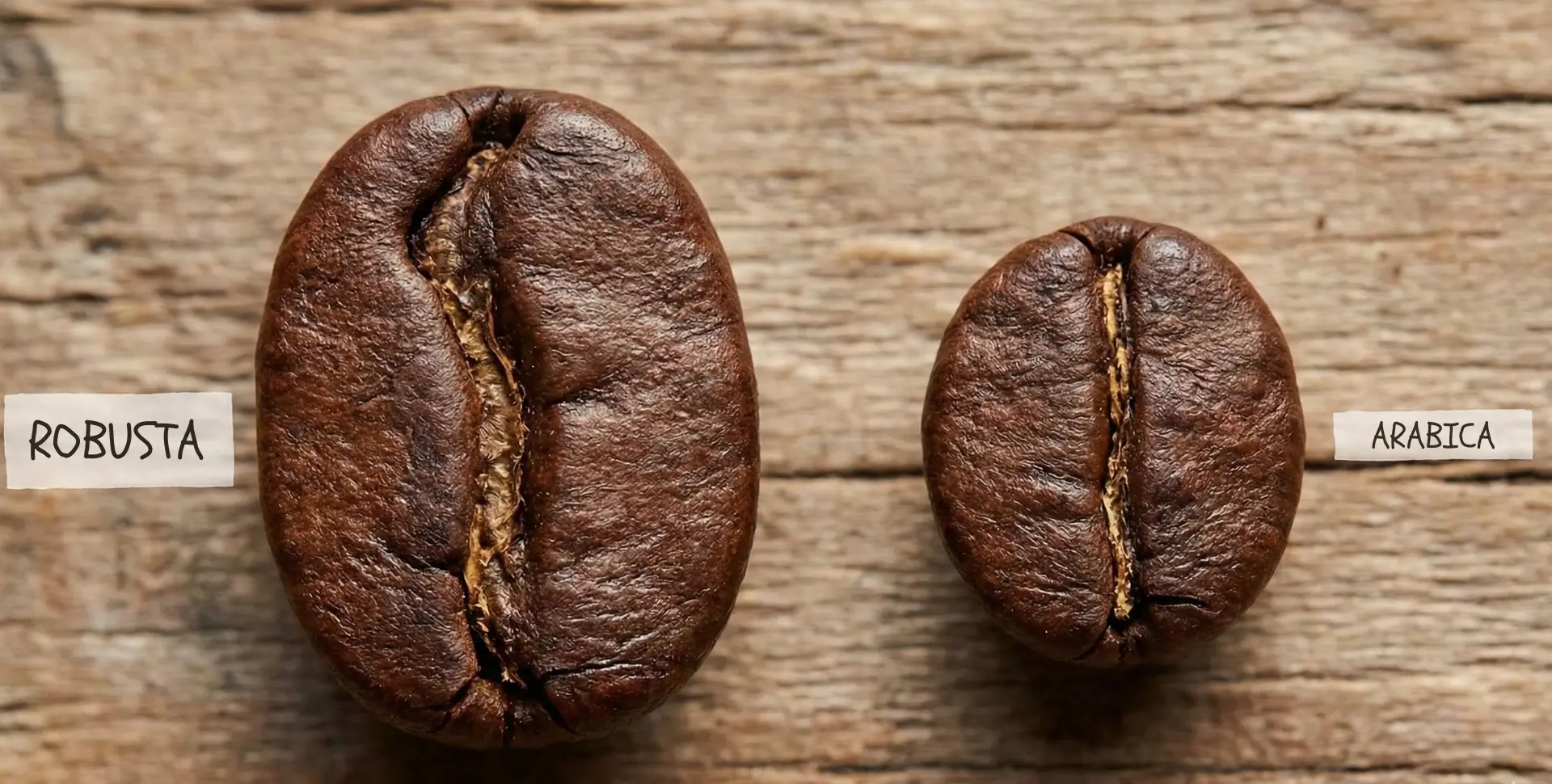
Arabica vs Robusta: What’s the Difference?
Coffee comes in many varieties, but two of the most well-known types are Arabica and Robusta. Although both are coffee beans, they have noticeable differences in taste, aroma, caffeine content, growing conditions, and appearance.
Understanding the difference between Arabica and Robusta can help you choose the right coffee for your preferred flavor and brewing style.
What Is Arabica Coffee?
Arabica, scientifically known as Coffea arabica, is one of the most popular coffee species in the world. It is often appreciated for its smooth taste, pleasant aroma, and complex flavor profile.
Arabica beans generally have a more delicate flavor, with possible notes of fruit, chocolate, nuts, flowers, or caramel depending on the origin, processing method, and roasting style.
Arabica plants typically prefer higher elevations, cooler temperatures, and suitable rainfall. Because they can be more sensitive to environmental conditions and diseases, growing Arabica can require careful cultivation and quality management.
Arabica Coffee Characteristics
- Smooth and balanced flavor
- Rich and pleasant aroma
- Often more complex flavor profiles
- Generally lower in caffeine than Robusta
- Oval-shaped beans with a curved center line
- Often preferred for specialty and premium coffee
What Is Robusta Coffee?
Robusta, scientifically known as Coffea canephora, is another major coffee species. As its name suggests, the plant is known for being hardy and capable of growing in conditions where Arabica may be more difficult to cultivate.
Robusta coffee generally has a stronger, more intense flavor. It can have earthy, woody, nutty, or bitter characteristics, depending on the beans and how they are processed and roasted.
Robusta beans also naturally contain more caffeine than Arabica, which can contribute to their stronger taste and stimulating effect.
Robusta Coffee Characteristics
- Strong and bold flavor
- Higher caffeine content
- Fuller and heavier body
- Generally more bitter
- Rounder-shaped beans with a straighter center line
- Often used in espresso blends and instant coffee
Arabica vs Robusta: Key Differences
| Feature | Arabica | Robusta |
|---|---|---|
| Scientific name | Coffea arabica | Coffea canephora |
| Flavor | Smooth, mild and complex | Strong, bold and earthy |
| Aroma | Generally more delicate | Strong and intense |
| Caffeine | Lower | Higher |
| Acidity | Usually higher | Usually lower |
| Body | Light to medium | Fuller and heavier |
| Growing conditions | Prefers cooler, higher elevations | More tolerant of warmer conditions |
| Plant characteristics | More delicate | Hardier |
| Common use | Specialty and premium coffees | Espresso blends, instant coffee and blends |
Which One Has More Caffeine?
One of the biggest differences between Arabica and Robusta is their caffeine content.
Robusta beans naturally contain more caffeine than Arabica beans. This contributes to Robusta’s characteristic bitterness and stronger flavor.
However, the amount of caffeine in your final cup also depends on factors such as the coffee-to-water ratio, brewing method, serving size, roast, and blend.
So, choosing Robusta does not automatically mean every cup will contain the same amount of caffeine.
Which Coffee Tastes Better?
There is no single answer because taste is a matter of personal preference.
If you enjoy a smooth, aromatic and more nuanced cup, Arabica may be the better choice.
If you prefer strong, bold and intense coffee, Robusta may suit your taste better.
Many coffee brands also combine Arabica and Robusta beans to create a balanced blend. The combination can bring together Arabica’s aroma and complexity with Robusta’s body, strength and crema-producing characteristics.
Arabica or Robusta: Which Should You Choose?
Your choice should depend on what you expect from your coffee.
Choose Arabica if you prefer:
- Smooth and refined flavors
- Aromatic coffee
- More complex flavor notes
- A balanced drinking experience
Choose Robusta if you prefer:
- Strong and bold coffee
- Higher natural caffeine content
- Fuller body
- Intense flavor
Choose a blend if you want:
A combination of aroma, body, strength and balance.
Why Roasting Matters
The difference between Arabica and Robusta is important, but the final taste of coffee is influenced by much more than the bean species.
Roasting plays a major role in developing coffee flavor and aroma.
A carefully controlled roasting process can bring out desirable characteristics while maintaining consistency from batch to batch. Grinding, storage, brewing method and packaging also influence the final cup.
This is why quality control throughout the coffee production process is essential.
Final Thoughts
Arabica and Robusta are both important parts of the coffee world, but they offer different experiences.
Arabica is generally known for its smoothness, aroma and complex flavors, while Robusta is recognized for its strength, higher caffeine content and fuller body.
Neither is simply “better” than the other. The best choice depends on your personal taste, brewing method and the experience you want from your coffee.
Whether you prefer Arabica, Robusta, or a carefully created blend, good coffee starts with quality beans, proper processing, controlled roasting and careful quality control.
At the end of the day, the best coffee is the one that makes every cup worth enjoying.
Related Posts
The Return of Ceylon Coffee: A Proud Legacy Revived
-
Posted by
paedsmtionr